Cotswold-born craftsmanship preserving the historic integrity of period homes, conservation properties, and traditional stone cottages.
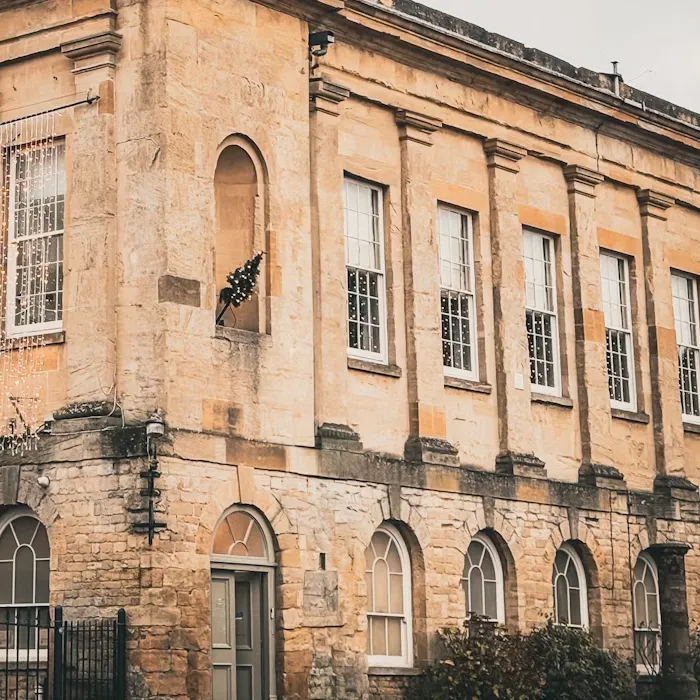
Chipping Norton features some of the finest historic architecture in Oxfordshire. From prominent Georgian townhouses to hidden stone-built cottages, maintaining the architectural authenticity of these facades requires a specialized touch.
At Cap & Co, we specialize in fabricating and fitting bespoke timber windows in Chipping Norton that respect local planning guidelines and conservation aesthetics. Every frame we produce is precisely tailored to individual architectural demands, ensuring modern thermal performance seamlessly merges with traditional profiles. We work exclusively with premium-grade timbers, combining old-world structural techniques with advanced technical weatherproofing.
Whether your property demands authentic sliding sash mechanisms or classic flush casement designs, our custom wooden window systems provide a flawless architectural fit. Built using premium timber stock, our setups offer exceptional longevity, flawless operation, and slender sightlines that mirror original single-glazed panes while housing modern, high-efficiency glazing.
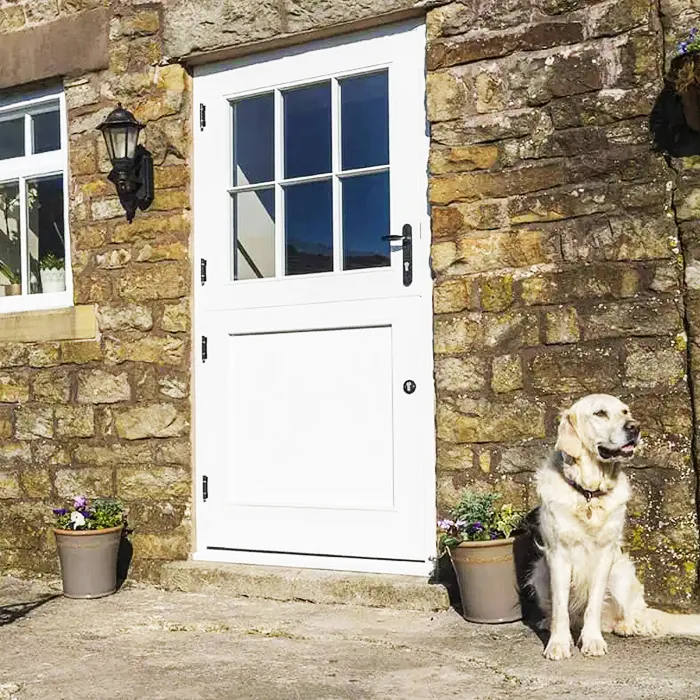
An entryway should be both a structural statement and a secure barrier. We design and install bespoke timber doors ranging from grand, insulated oak front entrance systems to traditional stable doors and elegant rear French casements. Utilizing stable, warp-resistant wooden blanks, we deliver timeless styling engineered to withstand the British elements.
Replacement isn’t always the answer—especially when dealing with protected properties or historic timber assets that contain irreplaceable charm. Complete replacement can alter the historical narrative of an early building.
Our comprehensive refurbishment and repair service for existing timber doors and windows focuses on structural preservation. We systematically address common issues plaguing period joinery across Chipping Norton, including:
Having grown up surrounded by the unique vernacular architecture of the Cotswolds, Pete brings an innate, personal understanding to every heritage installation. We understand how local stone behaves, the stylistic expectations of regional conservation officers, and the precision required to install heavy timber frames into centuries-old openings. We don’t believe in mass-produced, one-size-fits-all joinery.
As the highest town in Oxfordshire, Chipping Norton’s identity was forged in the medieval wool trade and later refined during the Georgian and Victorian eras. This rich economic history is etched directly into its streetscapes. The town’s historic core is defined by a striking contrast: grand, formal facades lining the main marketplace, transitioning into winding lanes filled with workers’ cottages and traditional terraced properties.
Because much of the town is designated as a strict Conservation Area, preserving the external appearance of these buildings is a legal and cultural priority. Whether dealing with a property near the historic Town Hall or an ancient cottage down the steps of stepping stones, any external joinery must strictly respect the structural footprints of the past.
To truly understand how to restore or replicate joinery in Chipping Norton, one must understand how the town’s doors and windows evolved alongside its famous honey-colored stone.
In Chipping Norton’s oldest surviving structures, window openings were small, structural necessities designed to keep the harsh Cotswold elements out.
Before the widespread use of large glass sheets, windows were predominantly timber oak casements, often housing diamond-leaded glass held together with lead cames. These windows opened outwards on hand-forged iron hinges.
Historic entryways from this period were built for absolute defense and insulation. They consisted of heavy, vertical oak planks bound together with internal ledges and braces, deeply recessed into stone arches to protect the wood from weathering.
As Chipping Norton prospered, wealthy merchants updated their medieval frontages with fashionable, symmetrical Georgian facades. This period completely transformed the town’s relationship with light.
This era introduced the classic sliding sash timber window, typically arranged in a “six-over-six” pane configuration. Because early glass-blowing techniques could only produce small panes, slender timber glazing bars (muntins) were required to hold the grid together.
Doors became symbols of status. Homeowners installed raised six-panel timber doors, often flanked by classical pilasters and topped with intricate glass fanlights to flood dark hallways with natural light.
The arrival of the railway changed everything for Chipping Norton, bringing in new materials like sheet plate glass and heavier timber stocks.
With stronger, larger sheets of glass available, Victorian windows shifted to “two-over-two” or even single-pane sash layouts. To handle the immense weight of the thick glass, joiners began incorporating “sash horns”—structural timber protrusions on the top frame that prevented the joints from snapping under pressure.
Victorian doors became thicker and more heavily molded, often featuring top panels fitted with stained or etched glass reflecting the Arts and Crafts movement.
Today, many Chipping Norton properties display a beautiful, chaotic mix of these eras—a Georgian sash window sitting just feet away from a centuries-old oak plank door. When we carry out repairs, refurbishment, or bespoke replacements in the area, our job is to identify exactly which architectural era your property belongs to, ensuring the timber species, molding profiles, and structural joinery techniques perfectly mirror the craftsmanship of the original local makers.