Timber windows & doors in Shipston-on-Stour

Cotswold-born craftsmanship preserving the historic wool-heritage homes, grand townhouses, and traditional cottages of Shipston-on-Stour.

Handcrafted wooden windows built for Shipston’s historic character

Steeped in history, Shipston-on-Stour derives its name from its medieval origins as a crucial “sheep wash town” on the banks of the River Stour. As the wool trade flourished, this bustling market town evolved, leaving behind a rich architectural legacy. Today, Shipston’s charming streets display a beautiful tapestry of architectural styles—from grand Georgian townhouses and former coaching inns to intimate, timber-framed workers’ cottages.

At Cap & Co, we specialize in fabricating and fitting bespoke timber windows and doors in Shipston-on-Stour that respect the town’s highly valued conservation character. We seamlessly combine traditional, hand-finished joinery with modern thermal technology, ensuring your historic home retains its irreplaceable visual warmth while offering superb draft exclusion and energy efficiency.

Traditional timber windows

Whether your property requires elegant, vertically sliding sashes for a grand town terrace or classic flush casements for a cozy stone cottage, our custom wooden window systems are designed to provide a perfect architectural fit. We utilize premium, warp-resistant hardwoods to create slender, authentic profiles that satisfy strict local guidelines while housing high-efficiency double glazing and high-performance weather seals.

Handcrafted timber & wooden doors

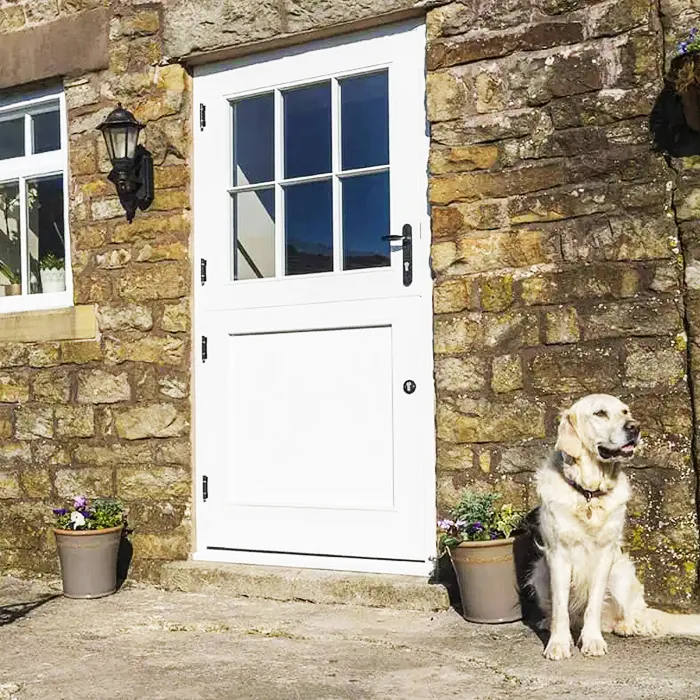
From heavy, insulated oak front entryways to traditional stable doors and elegant rear French casements, we design and build bespoke timber doors that offer exceptional security and thermal insulation. Built using traditional, time-tested mortise and tenon joinery, our wooden doors are engineered to handle the British weather while maximizing your home’s curb appeal and structural integrity.

Refurbishment, repair & preservation service

We believe in preservation first. Completely replacing historic joinery can strip a period property of its irreplaceable heritage and character. In a protected setting like Shipston-on-Stour, restoring original timber assets is often the most sustainable and architecturally sympathetic choice.

Our highly skilled refurbishment and repair service for existing timber doors and windows focuses on structural stabilization. Working with delicate period frames, we systematically cure common issues.

Peter Intasean

Designed with deep local roots

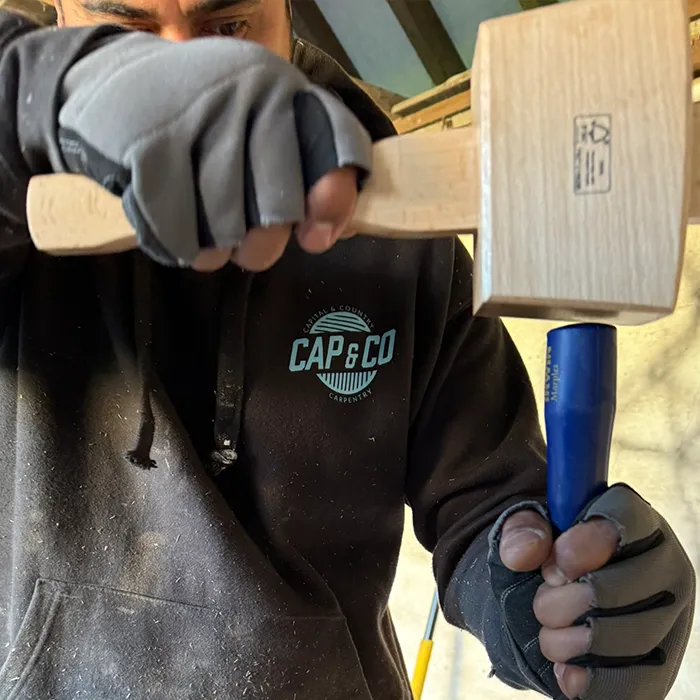
Pete’s upbringing in the heart of the Cotswolds gives Cap & Co a profound, personal connection to the region’s architectural heritage. We don’t just understand the mechanics of woodworking; we understand the unique aesthetic balance and structural resilience required when working with historic stone and timber. Serving the region from our Sulgrave base, we bring this lifelong appreciation of local building traditions to every single window and door we craft, repair, or restore.

get in touch

Discuss your Shipston-on-Stour architectural project

Balancing strict conservation guidelines with modern performance

A significant portion of Shipston-on-Stour is protected under local Conservation Area rules. Planning authorities maintain highly rigorous standards regarding the replacement of external features, meaning off-the-shelf, mass-produced windows and doors are rarely approved because they lack the authentic, hand-carved profiles of the town’s original timberwork.

We specialize in resolving both of these challenges at once. We design and manufacture heritage-matched joinery that satisfies demanding conservation officers while integrating advanced draft-proofing, sound-dampening acoustic glass, and high-performance insulation. The result is a home that remains historically authentic on the outside, and quiet, warm, and peaceful on the inside.

The evolution of Shipston’s historic timber joinery

The wealth of the wool boom and the town’s later role as a major highway coaching stop directly influenced the design, scale, and craftsmanship of Shipston-on-Stour’s doors and windows over the centuries.

Pre-1700s

The medieval wool trade & early timber-framing

The architecture

Early Shipston featured timber-framed properties and low-built stone cottages constructed from local materials.

The openings

Windows during this era were modest outward-opening oak casements, designed primarily to protect against damp riverside winds. Entry doors were built for sheer structural resilience—constructed from thick vertical wooden planks, bound with heavy ironmongery, and deeply recessed into their frames to keep out the drafts.

1700s-1830s

The coaching era & Georgian refinement

The architecture

As Shipston became a major coaching hub between Oxford and Birmingham, grander, brick- and stone-fronted Georgian buildings began to dominate the town centre.

The openings

This era introduced elegant sliding sash timber windows. These sashes featured highly delicate, slender timber glazing bars configured in traditional “six-over-six” multi-pane grids. Front entrances became grand focal points, featuring thick, six-panel timber doors topped with decorative, arched glazed fanlights to flood narrow hallways with natural daylight.

1700s-1830s

The Victorian industrial growth

The architecture

With the arrival of advanced transport and manufacturing, heavier timbers and larger sheets of glass became accessible to local builders.

The openings

Sashes transitioned to larger, heavier double-hung configurations. To handle the extra glass weight, Victorian joiners added structural “sash horns” to prevent the joints from pulling apart. Entryways evolved to feature deep, heavy-set moldings and stained-glass panels, acting as a striking, warm barrier against the elements.

The modern restoration challenge

Whether you are looking to restore the original sash windows of a grand town terrace or want to design a custom timber door for a traditional stone cottage, we provide detailed technical consultations.

get started

Tell us about your next project